Derila Ergo Pillow: comfortable neck support for better sleep
The Derila Ergo Pillow is an ergonomic pillow designed to support the natural curve of your neck and keep your head and spine comfortably aligned, whether you sleep on your back, side or stomach. Wake up feeling rested instead of stiff.
- Contoured shape designed for neck and head support
- Made for back, side and stomach sleepers
- Easy care and clear usage guidance
What is the Derila Ergo Pillow?
The Derila Ergo Pillow is an ergonomic pillow designed to support the natural curve of the neck and keep the head, neck and spine comfortably aligned during sleep.
We spend roughly a third of our lives asleep, and the pillow beneath your head has a large say in how that time feels. A pillow that is too flat lets the head tilt downward. A pillow that is too tall pushes the neck forward. Either extreme can leave you tossing and turning, reaching for extra cushions or waking with a stiff neck. An ergonomic pillow is designed to avoid those extremes by shaping itself around the way the body actually rests.
The Derila Ergo Pillow uses a contoured design with a gentle curve for the neck and a softer area for the head. The aim is simple: to give your head and neck the right amount of support at the right places so your spine can stay in a relaxed, neutral line. It is a comfort product made to improve your sleep environment, and it is not a medical device or treatment.
This page explains how ergonomic pillows work, what design features matter, how to match a pillow to your sleep position, how to break one in, how to clean it and how to tell whether a pillow is right for you.
Why your pillow matters more than you think
The neck, or cervical spine, holds up a head that weighs about the same as a bowling ball. During the day your muscles share that load with your posture. At night, your muscles should be able to relax, but they can only do so if the head is supported in a comfortable, neutral position. A poorly matched pillow forces the muscles to keep working, even in sleep.
Neutral spine alignment
Sleep specialists often describe the ideal as a straight line from the middle of the head through the neck and along the spine. A pillow of the right height and shape helps you stay close to that line.
Pressure relief
Concentrated pressure on the ear, jaw, shoulder or back of the head can cause discomfort and repeated position changes. Good support spreads weight across a wider area.
Fewer wake-ups
Sleep is made of cycles. Discomfort can pull you out of deeper stages and break up the night. A comfortable pillow makes it easier to stay asleep.
Morning comfort
Stiffness on waking is common when the neck has spent hours bent or twisted. A supportive pillow is designed to reduce awkward angles.
Screen and desk posture
Hours of looking down at phones and laptops strain the neck. Your sleep position is a chance to give those muscles a rest.
Pillow age
Pillows lose shape and collect dust, oils and allergens. Most experts suggest replacing a pillow every one to three years, depending on the material.
If you have persistent neck pain, numbness or tingling in the arms, headaches, or pain after an injury, see a healthcare professional. A pillow can support comfort, but it should never replace proper medical assessment.
Design features that matter in an ergonomic pillow
Not every pillow marketed as ergonomic is built the same. These are the features worth understanding, and the ones the Derila Ergo Pillow is designed around. Always check your product’s label or insert for the exact materials and dimensions.
Contoured shape
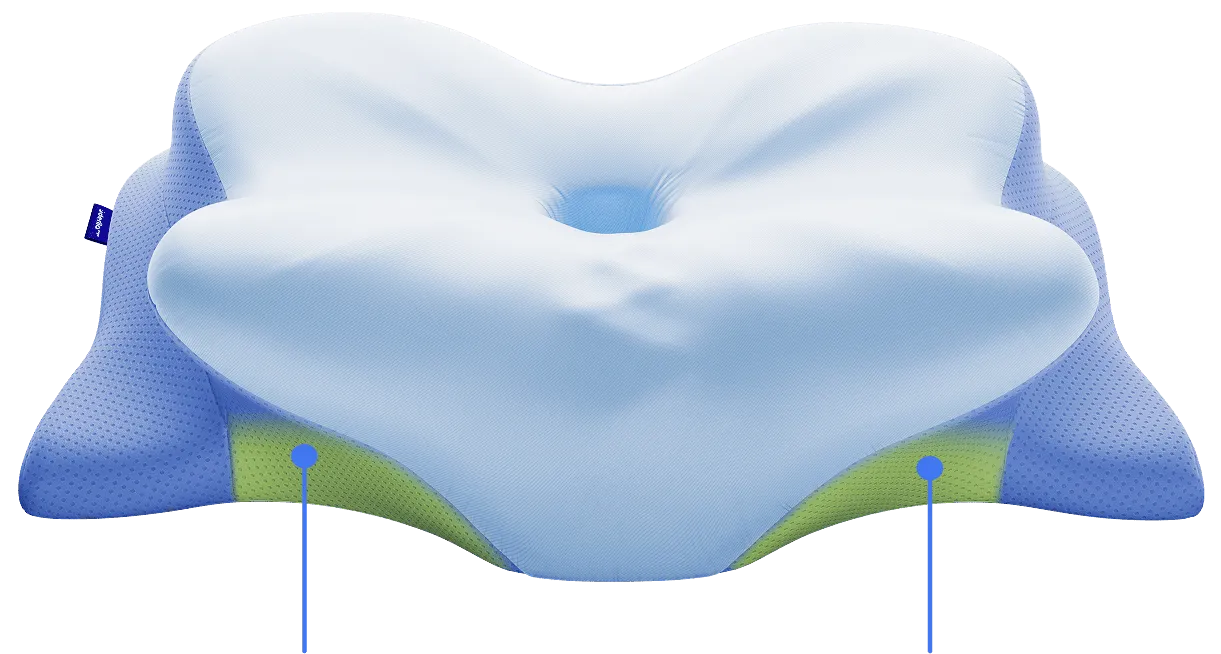
A raised edge supports the neck while a gently dipped centre cradles the head. This shape is designed to hold the head and neck in line instead of letting either drop.
Two height options
Many contoured pillows have a higher and a lower side. Side sleepers usually need the higher edge, while back sleepers often prefer the lower one.
Responsive foam
Memory foam and similar materials soften with body heat and slowly return to shape, spreading pressure. Quality foam springs back and keeps its support over time.
Breathable construction
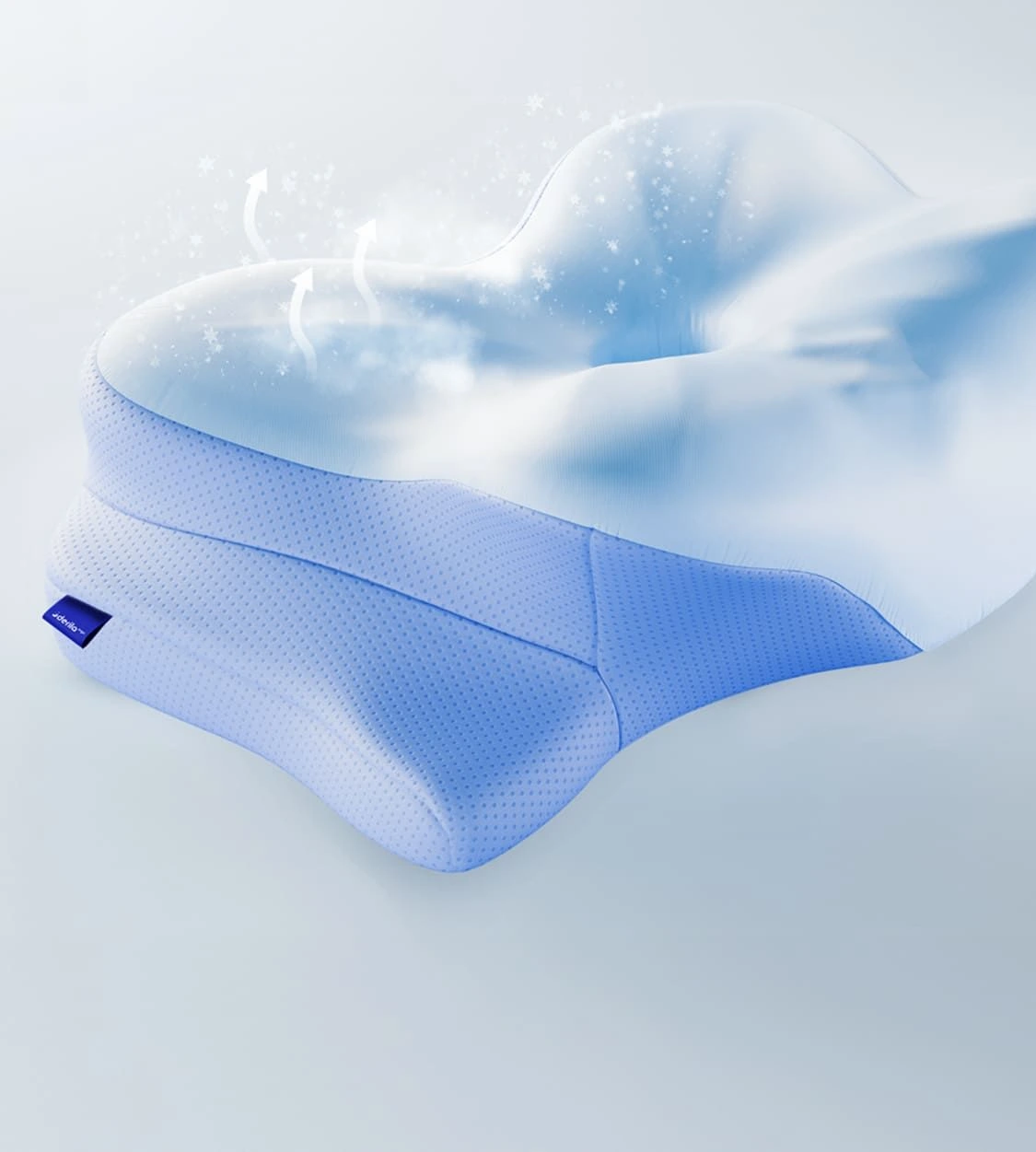
Ventilated foam, perforations or a breathable cover help air move so the surface stays more comfortable through the night.
Removable cover
A cover you can take off makes cleaning easy, which supports freshness and hygiene.
Stable support
The pillow should hold its shape under your head instead of flattening within minutes. Stable support is a hallmark of well-made foam.
Choosing a pillow for your sleep position
Side sleepers generally need a taller, firmer pillow, back sleepers a medium-height pillow with neck support, and stomach sleepers a thin, soft pillow or none at all.
| Sleep position | What you need | How an ergonomic pillow helps |
|---|---|---|
| Side | Height that fills the gap between ear and shoulder, with firm support. | The raised edge is designed to keep the neck level with the spine instead of bending sideways. |
| Back | Medium height with a curve under the neck. | The contour supports the natural neck curve while the head rests slightly lower. |
| Stomach | A low, soft pillow so the neck is not bent backwards. | The lower side reduces neck extension. Many experts suggest trying another position if possible. |
| Combination | A shape that works across positions. | A contoured pillow with two sides lets you switch between positions without reshaping bedding. |
Side sleepers
Roughly half of adults prefer sleeping on their side. The distance from ear to the outer shoulder varies with body build, so broader shoulders generally need more height. If your head tilts toward the mattress, the pillow is too low. If it tilts upward, the pillow is too high. A contoured edge can help, and a thin pillow between the knees can further support hip and back alignment.
Back sleepers
On your back, the head should rest in a neutral position, not pushed forward toward the chest. A medium contour with a gentle neck curve is typically best. Placing a small pillow under the knees can also relax the lower back.
Stomach sleepers
Lying on the stomach forces the neck to rotate, which many people find tiring. If you cannot change this habit, choose the lowest, softest setting possible and consider a thin pillow under the hips to reduce lower back strain.
Combination sleepers
If you roll around the bed, look for a pillow whose shape suits more than one position. Give yourself time to learn which side of the pillow works for each posture.
What the Derila Ergo Pillow is designed to offer
A pillow is a comfort product. It cannot promise specific health outcomes, but good design can improve the conditions for restful sleep. Here is what the Derila Ergo Pillow is designed to provide.
Comfortable head and neck support
The contoured shape is designed to cradle the head and support the neck, so the muscles around the neck and shoulders can relax. For many people, simply feeling supported makes it easier to fall asleep.
Better alignment through the night
By keeping the head at a suitable height for your position, the pillow aims to reduce awkward bending and twisting. A neutral position is often the most comfortable and the most sustainable over many hours.
Pressure distribution
Responsive foam spreads weight across a larger area, so there is less concentrated pressure on the ear, cheek and back of the head. Less pressure usually means fewer position changes.
Suitable for many sleepers
The design considers back, side and stomach sleepers, which makes it useful for households with different sleeping habits. It also fits well when travelling or using it on a sofa or recliner.
A fresher sleep environment
With a breathable build and a cover that is easy to look after, the pillow supports a clean bed and a comfortable surface, which both matter for restful sleep.
Daily comfort habits
Better rest supports mood, focus and energy during the day. While a pillow does not do the work itself, comfortable sleep makes it easier to keep up with exercise, good eating and healthy routines.
How to use and break in your new pillow
Give your body one to two weeks to adjust to a new ergonomic pillow, and increase the time you use it each night.
- Unpack and air it. Memory foam can have a mild smell at first. Let the pillow expand and air in a ventilated room for several hours.
- Find the right side. Try the lower and higher edges. Choose the one that keeps your nose in line with the middle of your chest on your back, or your head level with your spine on your side.
- Position it correctly. Place the neck curve under the neck, not under the shoulders. Your shoulders should rest on the mattress.
- Start gradually. Use it for a few hours or a few nights, then increase. Your neck muscles may need time to adapt to a new shape.
- Check your mattress. A pillow works with the mattress. A very soft or very firm mattress can change the height you need.
- Adjust as needed. Small changes in position, such as moving the pillow closer to the shoulder, can change comfort a lot.
- Be patient but honest. If you feel sharp pain, numbness or tingling, stop using it and seek advice.
Sleep habits that work with your pillow
A pillow is one part of a larger picture. These habits are widely recommended by sleep experts.
Keep a regular schedule
Going to bed and waking at similar times, including weekends, helps your body clock work well.
Create a cool, dark, quiet room
A bedroom temperature around 16 to 19 degrees Celsius suits many people. Blackout curtains and earplugs can help.
Limit screens before bed
Stop using phones and tablets about an hour before sleep. Bright light and active content can delay sleepiness.
Watch caffeine and alcohol
Caffeine can linger for hours. Alcohol may make you drowsy but tends to fragment sleep later in the night.
Move your body during the day
Regular activity and daylight exposure support deeper sleep. Gentle neck and shoulder stretches in the evening can also relax tight muscles.
Review your mattress
Most mattresses last seven to ten years. If you sag in the middle or wake with aches, the mattress may need attention as well.
Give your neck the support it deserves
Start your night with a pillow made for comfortable alignment.
Buy Derila Ergo Pillow todayCaring for your ergonomic pillow
Good care keeps your pillow fresh and extends its life. Always follow the care label supplied with your product, because instructions can differ between materials.
Cover
If the cover is removable, wash it according to the label, usually on a gentle cycle with mild detergent, and dry it fully before putting it back. Washing the cover every few weeks helps control dust, oils and sweat.
Foam core
Foam is typically spot cleaned only. Use a damp cloth with mild soap, blot gently and let it air dry completely away from direct heat and sunlight. Do not machine wash or tumble dry foam unless the manufacturer explicitly says it is safe, because water and heat can damage it.
Pillow protector
A breathable pillow protector adds an extra layer against moisture and allergens and is easy to launder often.
Airing and rotation
Let the pillow air in a dry, ventilated place from time to time. Rotate or flip it if your design allows, to spread wear.
When to replace
Replace your pillow if it stays flat after fluffing, has lumps, smells even after airing, shows stains that cannot be cleaned, or no longer keeps your neck comfortable. For many foam pillows this is every two to three years.
Who the Derila Ergo Pillow is for, and when to seek advice
May be a good fit if you
Wake with stiffness from a pillow that is too flat or too high, switch between sleeping positions, want a more supportive pillow than a standard one, or spend long hours at a desk and want more comfortable rest.
Speak to a professional if you
Have ongoing or severe neck or back pain, numbness or tingling in the arms or hands, recurring headaches, a diagnosed spine condition or a recent injury. A doctor or physiotherapist can recommend the right support for your situation.
Consider another option if you
Have an allergy to foam or the cover material, strongly prefer a very soft or fluffy pillow, or need a size or firmness different from those provided. Comfort is personal.
How to choose any pillow with confidence
The pillow market is crowded with bold promises. Use this checklist for the Derila Ergo Pillow or any competing product.
| What to check | Why it matters |
|---|---|
| Height and firmness options | Your shoulder width and sleep position decide the ideal height. |
| Material and certifications | Look for clear material information and low-emission or safety certifications where available. |
| Realistic claims | Be wary of products that promise to cure pain. Honest brands describe comfort and design. |
| Return and trial policy | You cannot judge a pillow in a minute. A fair return window protects you. |
| Care instructions | Easy cleaning makes a pillow more hygienic and longer lasting. |
| Independent reviews | Read feedback from people with a similar body size and sleep position, on several sites. |
Setting honest expectations
A better pillow can make a real difference to comfort, but it is not a cure for pain or sleep disorders. Everyone’s body, mattress, sleeping position and habits are different, so some people will feel the benefit in a night or two while others need a couple of weeks to adapt. A small number may find that this style simply does not suit them, and that is a normal outcome in a market where comfort is personal.
If you have trouble falling asleep, snore loudly, stop breathing at night, or feel exhausted despite a full night in bed, speak with a doctor, because conditions such as sleep apnea and insomnia need proper assessment. A pillow supports good conditions for sleep. It does not treat a medical problem.
Common pillow myths
Myth: a thicker pillow is always better
Too much height pushes the neck forward. The right pillow matches your shoulders and position.
Myth: firmer means more supportive
Support is about alignment, not hardness. A pillow that is too firm can create pressure points.
Myth: you should never sleep on your side
Side sleeping is common and can be comfortable with the right pillow and a neutral head position.
Myth: all memory foam sleeps hot
Older foams trapped heat, but modern designs include ventilated or open-cell structures that breathe better.
Myth: one pillow lasts forever
Pillows wear out. Regular replacement keeps support and hygiene at a good level.
Myth: a pillow alone fixes neck pain
Neck discomfort can have many causes, including posture, stress, activity and medical conditions. A pillow is one helpful piece of the puzzle.
Quick glossary
Cervical spine: the neck portion of the spine. Neutral alignment: a relaxed position where the head, neck and spine form a gentle straight line. Memory foam: a foam that softens with warmth and slowly returns to shape. Loft: the height of a pillow. Contour pillow: a pillow with curves shaped to support the head and neck.
Pillow materials compared
Knowing how common fillings behave helps you judge any pillow, including whether an ergonomic foam design suits you better than the one you have now.
| Material | Feel | Strengths | Trade-offs |
|---|---|---|---|
| Memory foam | Slow, contouring, supportive | Spreads pressure, holds shape, suits side and back sleepers | Can feel warm in some designs and may have a first-use smell |
| Latex | Springy, responsive | Durable, naturally resilient, good airflow | Can be heavy and costly, and unsuitable for latex allergies |
| Down and feather | Soft, fluffy, adjustable | Light and easy to scrunch into shape | Flattens over time, needs fluffing and may trigger allergies |
| Polyester fibre | Soft, lofty | Affordable and easy to wash | Loses support quickly and may clump |
| Buckwheat or millet hulls | Firm, moldable | Adjustable and breathable | Heavy, noisy and unfamiliar to many people |
Foam based ergonomic pillows are popular because they keep a consistent height through the night, which is the main thing a stable support needs to do. If you tend to sleep hot, choose a breathable cover, keep the bedroom cool and consider lighter bedding. If you are sensitive to smells, air a new foam pillow thoroughly before first use.
Whichever material you pick, test it for at least a week or two, because first-night impressions can be misleading. Choose the one that keeps your neck comfortable, your shoulders relaxed and your sleep unbroken.
Frequently asked questions about the Derila Ergo Pillow
What is the Derila Ergo Pillow?
The Derila Ergo Pillow is an ergonomic pillow designed to support the natural curve of the neck and keep the head, neck and spine comfortably aligned during sleep.
Is it good for side sleepers?
Side sleepers need enough height to fill the gap between the shoulder and head. An ergonomic contoured pillow is designed to help keep the neck level with the spine in this position.
How long does it take to get used to it?
Most people need one to two weeks to adjust to a new pillow shape. Start with a few hours or a few nights and increase gradually.
Will it cure neck pain?
No. A pillow is not a medical treatment. It is designed to provide comfortable support. Anyone with ongoing or severe neck pain should see a healthcare professional.
How do I clean it?
Follow the care label. Most ergonomic pillows are spot cleaned, while the removable cover can usually be washed according to its instructions.
Does it work for back and stomach sleepers?
Yes, the contour is designed to support more than one position. Back sleepers typically use the lower edge, while stomach sleepers should choose the lowest, softest setting.
Will it feel hot?
Comfort depends on the material, room temperature and bedding. A breathable cover and a ventilated room help keep the surface comfortable.
Can I use it for travel or on a sofa?
Yes. Many people use ergonomic pillows in cars, on planes and when relaxing, as long as the shape is comfortable in that position.
How often should I replace it?
Replace it when it loses shape, develops lumps, smells after airing or no longer feels supportive, typically every two to three years.
Can I use it with a pillow protector?
Yes. A thin, breathable protector adds hygiene without changing the feel much.
What if I do not like it?
Check the seller’s return and trial policy before ordering. Give the pillow one to two weeks to adjust unless you feel pain, numbness or tingling.
Where can I buy the Derila Ergo Pillow?
Use the order buttons on this website for current availability, pack options and shipping. Buying from the official source helps you avoid counterfeit products.
Ready for a more comfortable night’s sleep?
Match your pillow to your sleep position, give yourself time to adjust and keep good sleep habits. Visit the official ordering page to see current availability, pack options and shipping details for the Derila Ergo Pillow.
Order Derila Ergo Pillow now